Ranked among Top Schools Of Uttarakhand
(Day & Residential)
What should your child gain from living at school? Parents exploring the best residential schools in India often look for better academic support, greater independence, a wider circle of friends, or the confidence to make decisions without a parent stepping in every time.
Parents considering residential education often have several questions at once. They want a school with a suitable curriculum, but they also need to know who looks after their child after classes, how the hostel operates, and what happens when a student needs academic or emotional support.
India has residential schools with very different approaches to education. Some follow CBSE, while others offer CISCE, Cambridge or the International Baccalaureate. Their boarding arrangements, student communities and extracurricular programmes also differ.
The ten schools below offer different approaches to residential education. Some follow CBSE, while others offer Cambridge, CISCE or IB programmes. Their boarding arrangements, student communities and campus environments also differ. These differences matter when you are deciding where your child may feel comfortable and receive the academic support they need.
There is no single official national ranking that establishes which residential school is best for every child. A school that suits a student interested in competitive examinations may not be the right choice for someone looking for an international curriculum or a stronger emphasis on performing arts.
The schools in this list have been selected using the following considerations:
The schools are presented as a curated selection, not in order of national rank. Parents should confirm the latest admission criteria, fee schedule and facilities directly with each institution for 2027–28.
| School | Location | School Type | Curriculum / Board |
| Doon International School | Dehradun, Uttarakhand | Co-educational, day-cum-boarding | CBSE |
| Doon International School Riverside Campus | Pondha, Dehradun, Uttarakhand | Co-educational, residential and day-school | Cambridge (Classes 1–8) and CBSE (Classes 9–12) |
| The Scindia School | Gwalior, Madhya Pradesh | Boys-only residential | CBSE |
| JAIN International Residential School | Bengaluru, Karnataka | Co-educational residential | CBSE, Cambridge and IB Diploma |
| The Lawrence School, Sanawar | Sanawar, Solan district, Himachal Pradesh | Co-educational residential | CBSE |
| Mayo College | Ajmer, Rajasthan | Boys-only residential | CBSE and Cambridge |
| Welham Girls’ School | Dehradun, Uttarakhand | Girls-only residential | CISCE and Cambridge |
| Ecole Globale International Girls’ School | Horawala, Dehradun, Uttarakhand | Girls-only residential | CBSE and Cambridge |
| Daly College | Indore, Madhya Pradesh | Co-educational, residential and day-school | CBSE and Cambridge |
| Pinegrove School | Dharampur and Subathu, Solan district, Himachal Pradesh | Co-educational residential | CBSE |
Curriculum information should be reconfirmed with the respective schools before admission. Some institutions offer different programmes at different class levels.
 1. Doon International School, Dehradun
Established in 1993, Doon International School (DIS) is a co-educational day-cum-boarding school in Dehradun. The school follows the curriculum prescribed by the Central Board of Secondary Education (CBSE), with classes from Nursery to Class XII. Its academic structure covers junior, middle and senior school, allowing students to progress through each stage on the same campus.
The boarding programme follows a structured daily routine that includes classroom learning, supervised preparation time, sports, creative activities and self-study. Students also take part in activities such as dance, art and life-skills training. The school organises regular outings and adventure tours for boarders, while its house system and residential staff provide supervision outside classroom hours.
School details
The school offers families the choice of day schooling and boarding at its Dehradun campus. Before admission, parents can speak with the school about hostel accommodation, the daily boarding timetable, academic support and the fees applicable to their child’s class. It is also worth checking whether boarding places are available for the required entry year.
 2. Doon International School Riverside Campus, Dehradun
For parents looking for a co-educational residential school in Dehradun, Doon International School Riverside Campus offers both day-boarding and full residential options.
Located in Pondha, the campus follows different academic pathways at different stages. Students in Classes 1 to 8 follow the Cambridge curriculum, while those in Classes 9 to 12 follow CBSE, according to its Boarding Schools’ Association of India profile. Parents should keep this distinction in mind when considering admission, particularly if their child will be joining in the middle or senior school years.
The residential arrangement allows students to take part in school activities beyond regular classroom hours. Parents evaluating admission should ask about room allocation, evening study supervision, medical assistance, meal arrangements and communication between residential staff and families.
School details
A campus visit can help parents understand the accommodation, daily routine, sports facilities and arrangements for supervised study before making an admission decision.
 3. The Scindia School, Gwalior
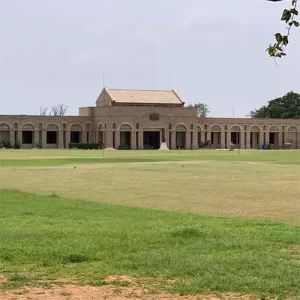
The Scindia School occupies a distinctive location within the historic Gwalior Fort. Established in 1897, it is an all-boys residential institution affiliated with CBSE.
The school’s setting is part of its identity, but parents should look beyond the architecture when evaluating it. Its academic programme, residential arrangements, sports and opportunities for public speaking and leadership are equally relevant to a prospective student.
The school follows the CBSE curriculum, making it an option for families who prefer a national board pathway within a full boarding environment.
School details
 4. JAIN International Residential School, Bengaluru
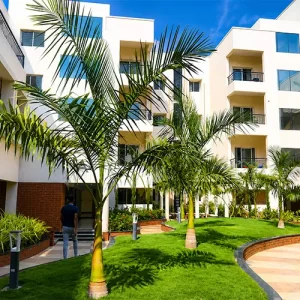
JAIN International Residential School (JIRS) offers several academic pathways on one residential campus. Students can pursue CBSE, Cambridge and the IB Diploma Programme, depending on their academic stage and chosen route.
The school welcomes students from different parts of India and overseas. Its admissions process includes an aptitude-oriented assessment and an interview, according to its published admissions information.
JIRS also provides opportunities in sports and co-curricular activities. Parents comparing international and Indian curricula can ask the admissions team how subject choices, assessment methods and university preparation differ between the available programmes.
School details
 5. The Lawrence School, Sanawar
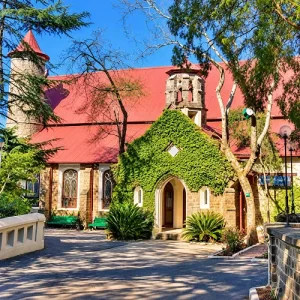
Founded in 1847, The Lawrence School, Sanawar is one of India’s long-established co-educational boarding institutions.
Set in the hills of Himachal Pradesh, the school follows the CBSE curriculum. Its residential programme brings together students from different backgrounds, while the academic and co-curricular timetable includes opportunities in sports and other activities.
Parents considering a hill-campus boarding school should also ask practical questions about travel, seasonal weather, term dates and arrangements for students returning home during holidays.
School details
 6. Mayo College, Ajmer
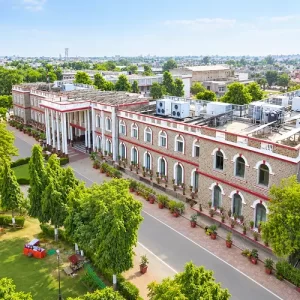
Mayo College in Ajmer is a boys’ residential institution established in 1875. It has a long association with residential education in India and offers academic and co-curricular opportunities within a structured campus environment.
Its academic options include CBSE and Cambridge pathways. The school also has a residential house system and opportunities in sports and other activities.
Parents should look closely at the curriculum offered for their child’s entry class, especially if they are considering a change from another board. They should also request the current details of boarding arrangements and annual costs.
School details
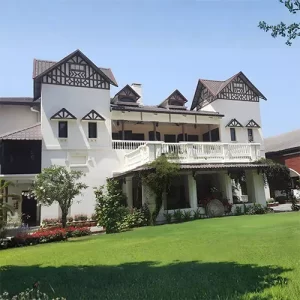 7. Welham Girls’ School, Dehradun
Welham Girls’ School provides residential education for girls in Dehradun. Established in 1957, it follows the CISCE curriculum and offers the Cambridge Assessment International Education pathway as well.
The school covers Grades VI to XII. Its academic programme includes compulsory subjects and a choice of additional language and subject options as students move through the grades.
For parents considering girls’ residential schools in India, curriculum choice is only one part of the decision. They should also ask about house supervision, student support, extracurricular activities and how the school helps new boarders settle into residential life.
School details
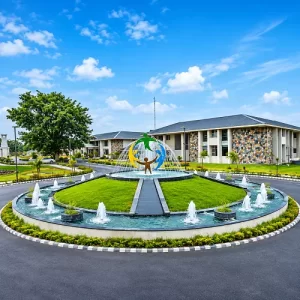 8. Ecole Globale International Girls’ School, Dehradun
Ecole Globale International Girls’ School is a girls-only residential school in Dehradun. It offers CBSE and Cambridge International education, giving students different academic routes to consider.
The school’s programme includes academic learning, sports and co-curricular activities. Its residential setting is designed specifically for girls, which may appeal to families looking for a girls-only boarding environment.
Before applying, parents should compare the subject options, admission requirements and hostel arrangements for the particular grade. It is also worth asking how the school handles student welfare, medical needs and communication with parents.
School details
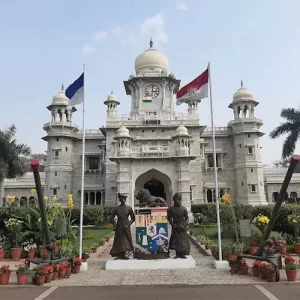 9. Daly College, Indore
Daly College is a co-educational institution in Indore with both residential and day-school provision. Its academic pathways include CBSE and Cambridge.
The school has a long educational history and offers opportunities beyond classroom teaching. Its membership of international school networks, including Round Square, provides a context for activities and exchanges that parents may wish to explore.
Families considering Daly College should check the availability of boarding places for the relevant class and ask how the residential programme differs from the experience of day scholars.
School details
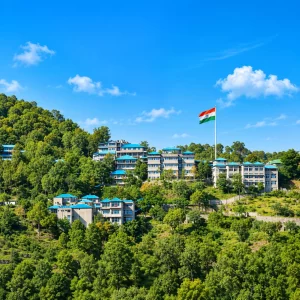 10. Pinegrove School, Solan
Pinegrove School is a co-educational, fully residential CBSE school in Himachal Pradesh. It operates two campuses, at Dharampur and Subathu, in the Solan district.
The school has a residential student community and offers separate boarding accommodation for boys and girls. Its published information also refers to programmes involving sports, community participation and international exposure.
Parents should check which campus is relevant to the admission they are considering, as well as the class availability, accommodation and fee details for 2027–28.
School details
A school’s reputation may bring it onto your shortlist. The decision itself needs more careful thought.
Start with the child’s academic requirements, then examine the residential environment. The following factors can help you compare schools more effectively.
CBSE, CISCE, Cambridge and IB follow different academic structures. A student preparing for Indian entrance examinations may prefer one pathway, while another student planning to apply to overseas universities may want to explore international programmes.
Check the subjects offered in Classes XI and XII, practical requirements, assessment methods and eligibility for the courses your child may want to pursue later.
Ask the school to explain a normal weekday for a boarder. When do students wake up? How much time is allocated to study, sports and recreation? Who supervises the hostel after classes?
These details tell you more about residential life than a list of campus facilities.
Some students adjust quickly to a new academic environment. Others need more time or additional help with particular subjects.
Find out whether the school offers supervised evening study, remedial classes, individual teacher support or academic counselling. Ask how parents are informed when a student falls behind.
Ask who students can approach when they feel unwell, homesick or worried about something. Find out whether trained medical staff are available on campus, how emergencies are handled and which hospital the school uses when outside treatment is required.
You should also understand the school’s visitor rules, student communication policy and procedures for reporting concerns.
The quoted annual fee may not include every expense. Ask for a written breakdown covering:
Do not compare schools using tuition fees alone. Compare the full annual cost of keeping your child at the institution.
CBSE remains a familiar option for many Indian families. Its national presence can make academic transitions easier when students move between affiliated schools, although admission and subject requirements still need to be checked.
Parents searching for the best CBSE Boarding Schools in India often consider three points.
A familiar national curriculum: Students study within a framework followed by schools across the country. This can be useful for families who may relocate or expect their children to continue their education in India.
Preparation for Indian higher education: CBSE subjects and assessment patterns are familiar to many students preparing for entrance examinations such as JEE and NEET. Students still need separate preparation for these examinations, as board study alone does not guarantee entrance-test readiness.
A range of residential choices: Parents can compare co-educational, boys-only and girls-only CBSE boarding schools across different regions.
However, the board should not be the only deciding factor. Compare the school’s teaching approach, subject combinations, academic support and residential arrangements before making a choice.
Residential education changes a child’s daily routine. Students spend their school days and much of their free time within a shared community, learning to manage responsibilities alongside their studies.
Boarding does not suit every child at every age. Some students take time to adjust to being away from home, while others may find shared accommodation and a busy campus routine difficult.
Homesickness, privacy concerns, changes in eating and sleeping habits, and academic pressure are all worth discussing before admission.
A school should be able to explain how it handles these situations. Parents should ask about counselling, house staff, medical support and the process for raising concerns.
A campus visit can answer questions that brochures and websites cannot. If possible, visit while students are attending classes so you can observe the school during an ordinary working day.
Use this checklist:
A school visit should be a conversation, not a sales presentation. Parents should feel comfortable asking difficult questions.
1. Which are the best residential schools in India for 2027–28?
Some established residential options include Doon International School Riverside Campus, The Doon School, The Scindia School, JAIN International Residential School, The Lawrence School Sanawar, Mayo College, Welham Girls’ School, Ecole Globale, Daly College and Pinegrove School. The right choice depends on curriculum, boarding arrangements, location and the student’s needs.
2. What is the difference between a residential school and a boarding school?
The terms are often used interchangeably in India. Both generally refer to schools where students live on campus during the academic term. However, the exact arrangement can vary. Some schools are fully residential, while others admit both boarders and day scholars.
3. Which are the best CBSE boarding schools in India?
Options include Doon International School Riverside Campus, The Scindia School, The Lawrence School Sanawar, Mayo College, Ecole Globale, Daly College and Pinegrove School. Check the curriculum offered at the specific class level before applying.
4. Are there co-educational residential schools in India?
Yes. Doon International School Riverside Campus, JAIN International Residential School, The Lawrence School Sanawar, Daly College and Pinegrove School are examples of co-educational institutions with residential provision.
5. At what age can a child join a residential school?
Admission ages differ between institutions. Some accept students in primary or middle school, while others begin residential admissions at higher classes. Parents should check the entry grade, age criteria and the child’s readiness to live away from home.
6. How much do residential schools in India charge?
Fees vary according to the school, curriculum, class and boarding arrangement. Some institutions publish detailed fee schedules, while others provide them during admissions. Ask for the latest 2027–28 fee circular and check whether meals, laundry, activities, uniforms and deposits are included.
7. How do boarding schools support students who struggle academically?
Support varies by school. Some provide supervised evening study, remedial classes, subject-specific help or individual academic guidance. Parents should ask how teachers identify learning gaps and how the school communicates a student’s progress.
8. What should parents check before choosing a residential school?
Look at the curriculum, teaching support, hostel conditions, medical arrangements, student supervision, safety procedures, food, extracurricular activities and total fees. A campus visit and a discussion with the admissions team can help clarify these details.
The best residential schools in India offer different academic pathways and residential experiences. Some focus on CBSE education, while others provide CISCE, Cambridge or IB programmes. Their boarding arrangements and student support systems also vary.
Before choosing a school for 2027–28, compare more than its reputation. Visit the campus, speak with the staff, understand the daily routine and check the complete fee schedule. Most importantly, involve your child in the decision.
The right school should match your child’s academic needs, personality and readiness for residential life. That is a far more useful starting point than any ranking.