
Ranked among Top Schools Of Uttarakhand
(Day & Residential)
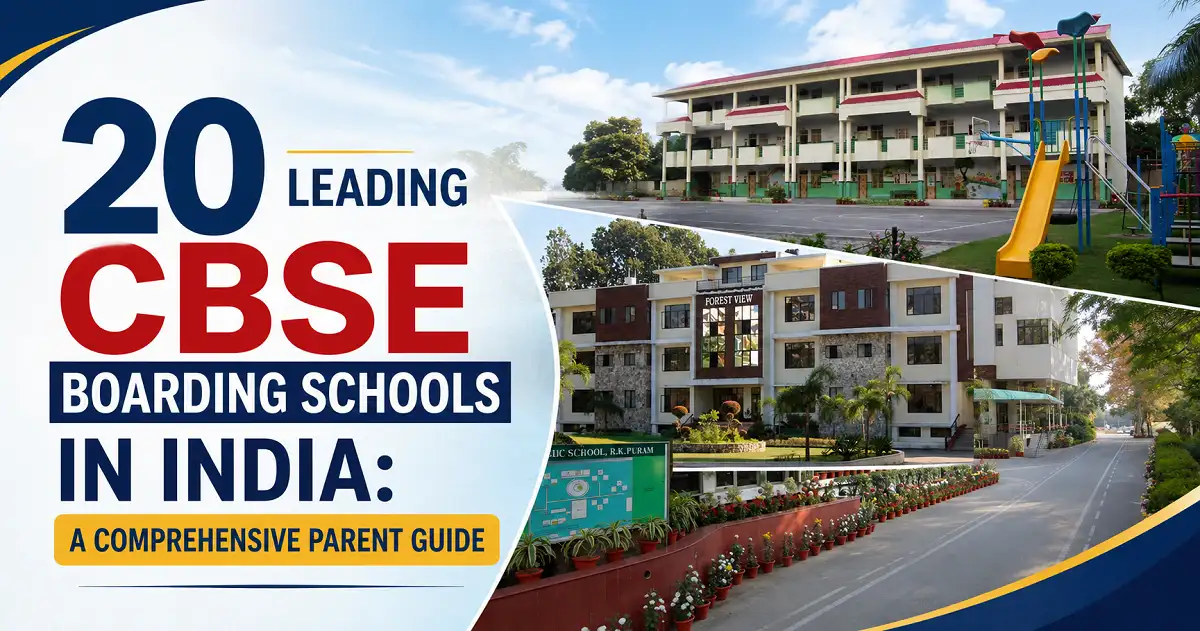
Sending a child away to a residential campus is one of the most difficult decisions a family can make. You picture them sitting in a quiet hostel room late at night, trying to work through a difficult math problem or dealing with a sudden fever, far from home. In those quiet moments, glossy school brochures and promises of world-class facilities mean very little. What actually matters is whether an adult is nearby to guide them, whether the food gives them energy, and whether the daily routine builds real self-reliance. How do you look past polished marketing claims to find a campus that genuinely protects your child’s health while sharpening their academic edge?
That is exactly why choosing a residential institution can feel so overwhelming. A few minutes online will reveal hundreds of choices across the country, with nearly every website promising excellent academics and attentive hostel care. Finding the best CBSE boarding schools in India requires looking past these standard claims. This guide highlights some of the topboarding schools in India, helping parents compare academics, hostel life, safety, and student support to evaluate their choices with complete clarity.
Editorial Disclaimer & Methodology:School selection depends on individual factors including academic performance, hostel supervision, student support, sports infrastructure, and specific learning needs. This compilation is not a rigid hierarchy or commercial ranking. Institutions are selected based on track record, CBSE affiliation, infrastructure quality, and regional repute to serve as a comparative guide for families.
Boarding schools in India have undergone a massive shift over the last two decades. Historically, residential institutions were viewed either as strict disciplinary centers or exclusive enclaves reserved for elite families. Today, the modern residential framework operates on a completely different idea: holistic child development paired with integrated competitive preparation.
With national competitive examinations like JEE, NEET, CUET, and NDA driving the academic schedule, the traditional boundary between school hours and personal study has blurred. The best CBSE boarding schools in India eliminate the chaotic routine of day-school life: the hours wasted in daily traffic, the reliance on external private tuitions, and the unstructured screen time at home. Instead, they replace that friction with a synchronized daily schedule where academics, physical training, meals, and rest happen in a controlled, supportive environment.
The implementation of the National Education Policy (NEP) has further pushed these institutions away from pure rote learning toward practical, project-based education.
Before diving into individual school profiles, parents need a clear framework for evaluating any campus they visit. Looking past swimming pools and smart boards comes down to checking four operational pillars:
Every premier boarding school in India combines strong academics with residential care, structured routines, and opportunities for holistic development. The table below illustrates how the residential setup differs from a standard day school routine:
| Evaluation Parameter | Standard Day School + Tuition Model | Premier CBSE Boarding School Model |
| Time Management | 2–3 hours lost daily in travel and logistics | Zero travel friction; everything happens within walking distance |
| Academic Support | Fragmented between school teachers and private tutors | Unified guidance from resident faculty during evening study slots |
| Physical Activity | Often restricted to weekend sessions or screen time | 90–120 minutes of compulsory daily sports and outdoor conditioning |
| Peer Dynamics | Limited to classroom hours and social media | Deep, lifelong bonds formed through shared living and teamwork |
| Personal Independence | High dependence on parents for daily chores and schedules | Natural development of self-reliance, laundry habits, and time management |
Families looking for Co-Ed Boarding Schools in India can explore the following residential campuses:
Boys’ Institutions:
Specialized & Military-Type Institutions:
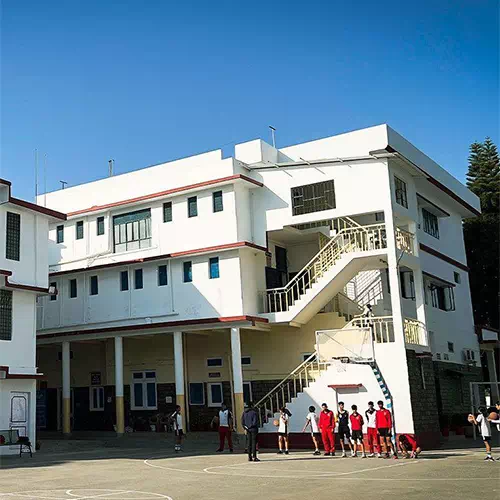 1. Doon International School, Dehradun
Evening prep at Doon International School looks different from standard self-study hours. Resident teacherslive directly within housing blocks, allowing students to get immediate help with challenging math problems orscience concepts before retiring for the night. Set across a green 10-acre campus in the Dehradun valley, the schoolcombines university entrance preparation with daily athletic training.
The routine is demanding but balanced, giving students enough structure to staydisciplined without making every day feel overwhelming. Housemasters monitor each boarder’s dietary intake, social habits, and academic marks, making the transition from home smooth for younger boarders. Weekdays balance classroomwork with mandatory afternoon sports and structured evening study blocks mentored by resident faculty.
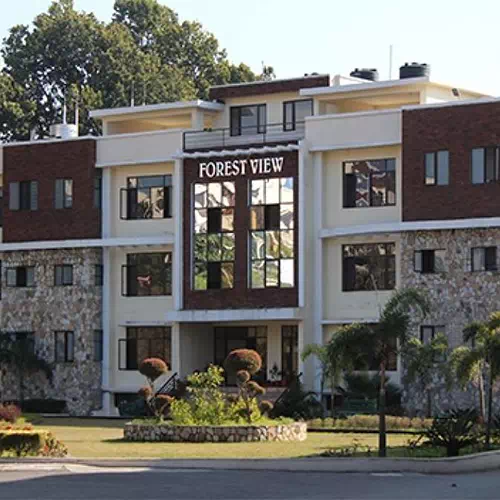 2. Doon International School Riverside, Dehradun
Situated along a scenic green expanse in Dehradun, Doon International School Riverside Campus provides an expansive, eco-friendly environment tailored for immersive learning and modern residentialliving. The campus emphasizes a healthy balance between rigorous CBSE academics, competitive entrance examfoundation preparation, and holistic athletic development.
The residential facilities feature climate-controlled dormitories, extensive playingfields, and dedicated study halls where resident tutors assist boarders during evening study hours. With strictsafety standards, pediatric nutritional planning, and a strong pastoral care system, the Riverside campus ensuresyoung boarders settle comfortably while building discipline and personal autonomy.
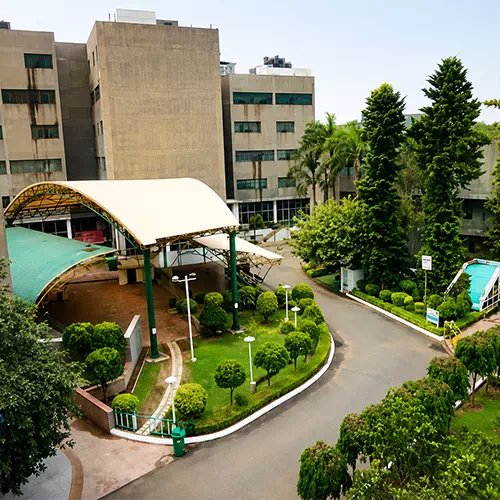 3. Delhi Public School, RK Puram, New Delhi
Academic expectations run high at DPS RK Puram. That competitive culture shapes almostevery aspect of campus life. Located in the heart of the capital, the school runs an intensive hostel programspecifically tailored for senior secondary boarders focused heavily on national entrance exams like JEE,
NEET, and CUET.
Classrooms and computer centers are supported by vast digital archives and advancedscience labs. While the environment is intense, the hostel administration maintains a disciplined study ecosystemsupported by frequent diagnostic tests, career counseling workshops, and peer study groups.
 4. Welham Boys’ School, Dehradun
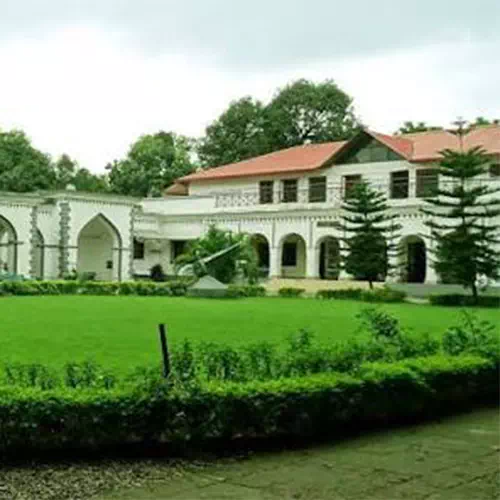
Life across the 30-acre Welham estate centers on team athletics, personal responsibility, and character building for young men. While the curriculum follows standard CBSE guidelines, equalpriority goes to hockey, football, cricket, and physical conditioning. The school’s architecture blends traditionalheritage buildings with modern learning labs and outdoor athletic complexes.
Experienced housemasters manage small dormitory cohorts, keeping in close touch withparents about individual progress, physical health, and emotional growth. Senior boarders learn leadership bymentoring junior housemates, while morning assemblies, public speaking clubs, and community service projects ensurethat students graduate as well-rounded, grounded individuals.
 5. The Lawrence School, Sanawar
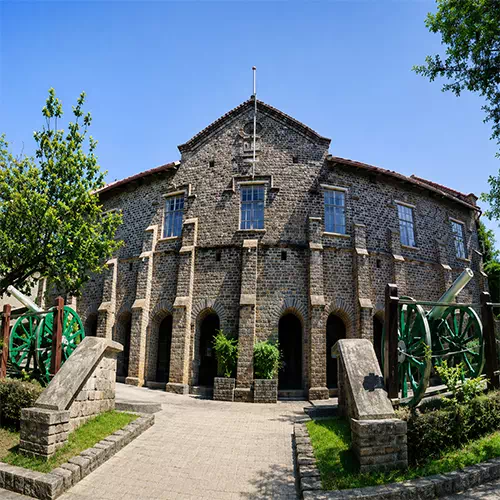
Morning drills begin early in the pine-covered hills of Sanawar, where boarders live atan elevation of 1,750 meters. Established as one of the country’s earliest co-ed residential institutions, theschool pairs CBSE academics with mandatory physical training, National Cadet Corps (NCC) drills, and outdoorendurance exercises.
A typical day for boarders starts at 6:00 AM with physical conditioning and drills,moving into regular academic classes through the afternoon. Following lunch and a short rest block, students head tothe playing fields for sports and mountain hikes at 4:30 PM, concluding with faculty-mentored evening prep beforedinner.
Living in stone dormitories built across a vast hilltop estate, students learn tonavigate steep terrain daily, building natural physical stamina. The academic program is complemented by richtraditions in music, dramatics, woodworking, and mountaineering expeditions.
 6. Mayo College, Ajmer
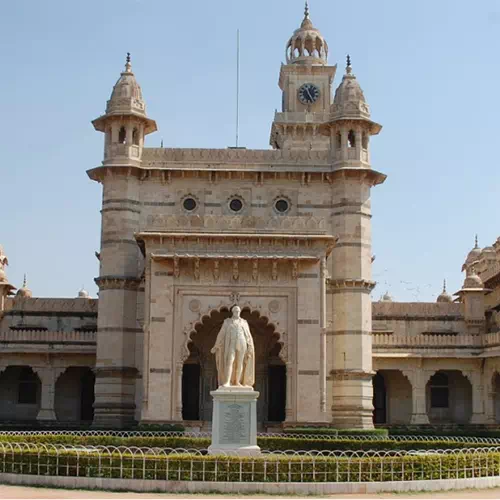
Marble pavilions and broad playing fields define the historic 267-acre Mayo grounds in Rajasthan. This all-boys institution connects long-standing house traditions with rigorous academics and specialized training in equestrian sports, squash, shooting, golf, and cricket. The campus infrastructure includes a dedicated museum, technical arts complexes, and modern science centers.
Mayo’s daily routine is designed to instill personal discipline, refined manners, and leadership skills. Through inter-house debates, the atrical productions, and national sports tournaments, boys learnto compete fiercely while maintaining high standards of sportsmanship and personal integrity.
While Rajasthan has long been celebrated forits heritage campuses, the next group of schools demonstrates how residential education has evolved across different regions of India.
 7. The Scindia School, Gwalior
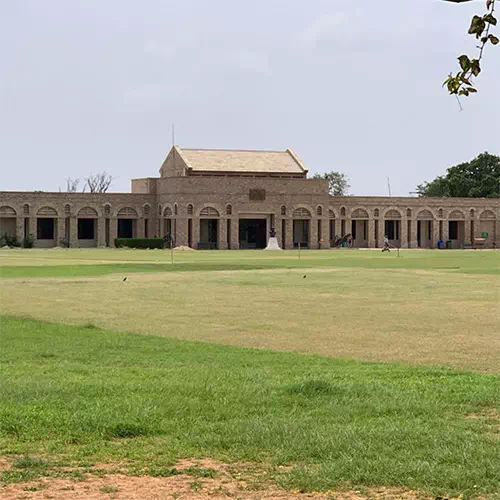
Few institutions can claim a campus inside a historic fort. Perched high above the city of Gwalior, The Scindia School combines regular textbook learning with hands-on technical projects, historical research, and community service initiatives. The elevated location provides a quiet, secure sanctuary away from city distractions.
Resident faculty monitor evening study hours, ensuring students manage their time effectively between classroom work, robotics, theater, and classical music. The house system encourages healthy competition across academics and sports. Boys live in heritage residential houses managed by housemasters who act asparent figures, ensuring every boarder’s emotional and physical needs are met around the clock.
 8. JAIN International Residential School, Bengaluru
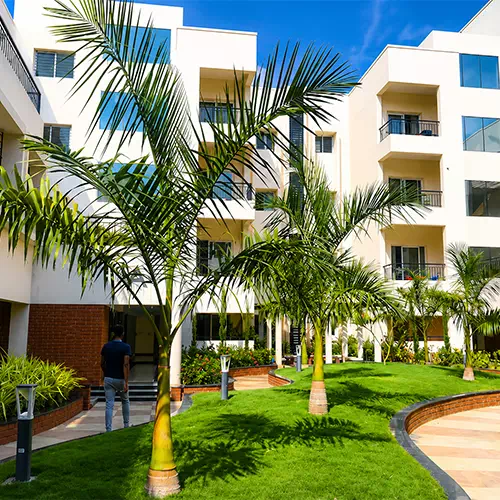
Golf, equestrian sports, and professional cricket share space on the 350-acre groundsof JAIN International Residential School. Located outside Bengaluru, JIRS pairs its academic program with exceptional athletic training facilities, including an underground sports complex and a professional-grade cricket stadium.
It remains a frequent choice for families looking for a modern co-ed boarding school that maintains firm academic expectations alongside elite sports development. The school offers specialized coachingfor national entrance tests alongside regular CBSE classes. The residential quarters provide air-condition edoptions, nutritious multi-cuisine meals, and an active student life program that keeps boarders engaged seven days aweek.
 9. Birla Public School, Pilani
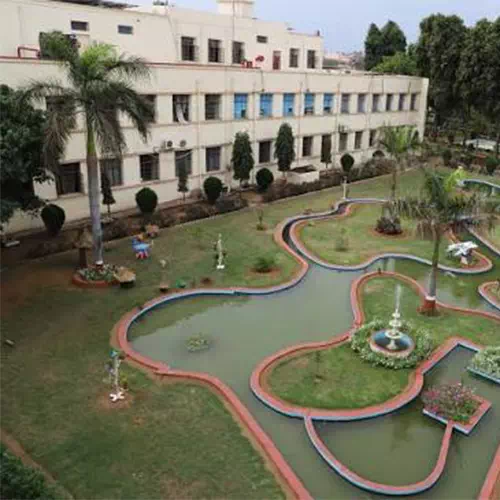
Proximity to major technical universities influences the academic culture at Birla Public School in Rajasthan. The all-boys institution stresses foundational skills in mathematics, physics,chemistry, and computer science. The campus layout includes expansive science facilities, technical workshops, andoutdoor sports fields.
House masters manage daily study schedules within the residential halls, ensuring students keep pace with competitive exam requirements and internal board assessments. Students are encouraged todevelop strong problem-solving skills, participate in science exhibitions, and maintain physical fitness through mandatory morning gymnastics and evening team sports.
 10. Chinmaya International Residential School, Coimbatore
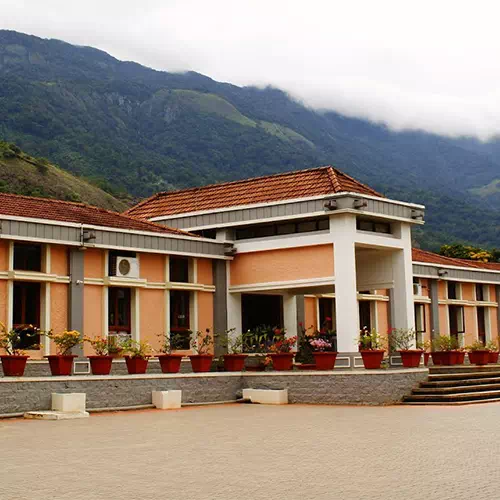
Cultural heritage and modern science education meet at Chinmaya InternationalResidential School in Coimbatore. Set against the picturesque foothills of the Siruvani range, CIRS provides aco-educational setting focused on intellectual curiosity, value-based living, and personal reflection. Daily schedules combine laboratory experimentation with quiet meditation, yoga sessions, and outdoor sports.
 11. Sehwag International School, Jhajjar
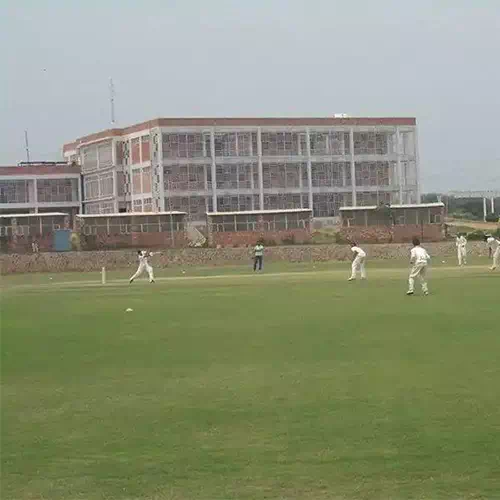
Cricket nets and athletic tracks take center stage at Sehwag International School inJhajjar. Founded by former international cricketer Virender Sehwag, this 23-acre Haryana campus treats physical education as a core academic pillar rather than an optional extra.
Professional coaches work alongside classroom teachers, allowing student-athletes topursue competitive sports like cricket, lawn tennis, swimming, and equestrian arts without falling behind in theirCBSE coursework. Supervised study periods ensure academic performance remains steady throughout the sportingcalendar.
 12. SelaQui International School, Dehradun
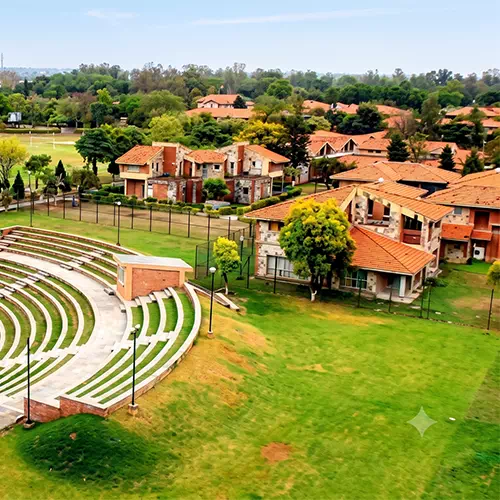
Targeted academic tracking sets SelaQui apart on its 52-acre green campus inUttarakhand. The school integrates entrance exam coaching directly into the daily schedule for Class 11 and 12students, eliminating any need for outside tuitions.
Recognized among the leading CBSE boarding schools in India, the school emphasizes student leadership, environmental awareness, and active, hands-onlearning across all grades. The campus features a large natural lake, organic farming patches, modern sciencelaboratories, and equestrian grounds. Boarders live in well-ventilated residential houses where resident tutorsconduct evening doubt-clearing sessions, creating a warm, academically focused environment.
 13. The TonsBridge School, Dehradun
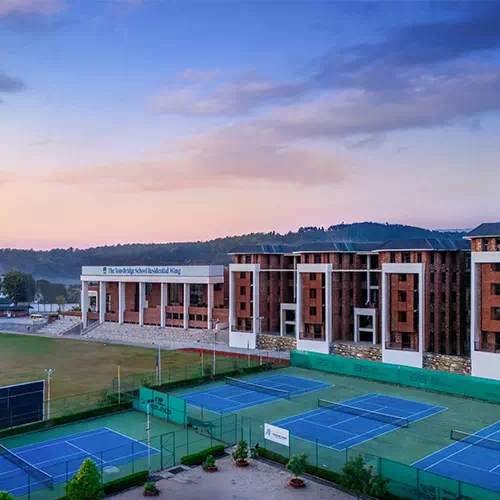
Small class sizes and close teacher mentorship define the environment at The TonsBridge School. Located along the Ton River on an 18-acre estate, the school provides climate-controlled dormitories, largeathletic fields, swimming facilities, and modern laboratory spaces.
Resident tutors conduct regular evening review sessions, helping boarders stay ahead of homework assignments, project deadlines, and exam preparation. The hostel team maintains strict security protocol salongside a compassionate care system, ensuring young students feel secure and supported throughout their stay.
Looking across these institutions, aninteresting pattern begins to emerge regarding how geography shapes student life.
Regional boarding hubs offer distinct advantages. The Dehradun Valley is known for itsmild climate and high density of premier academic institutions. Campuses across the Himalayan Belt leveragehigh-altitude terrain to build physical endurance and self-reliance. Residential schools in Rajasthan combineheritage campuses with a strong orientation toward science and competitive tests. Meanwhile, institutions in SouthIndia frequently offer massive physical footprints, professional sports academies, and a distinct technicaledge.
 14. Vandya International School, Guwahati
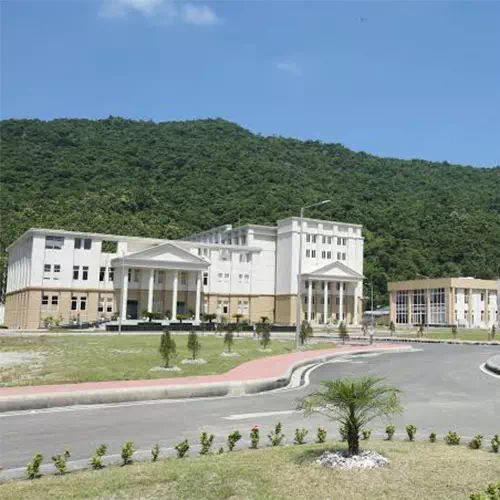
Modern residential facilities serve families across Northeast India at VandyaInternational School. The purpose-built campus includes air-conditioned housing, interactive digital classrooms,creative art studios, and comprehensive sports grounds.
Low student-to-teacher ratios in the dormitories ensure younger boarders receiveindividual attention as they adjust to living away from home. The dining hall serves hygienically prepared,nutritionally balanced meals, while on-site medical facilities and round-the-clock security provide total peace ofmind for parents.
 15. Birla School, Pilani
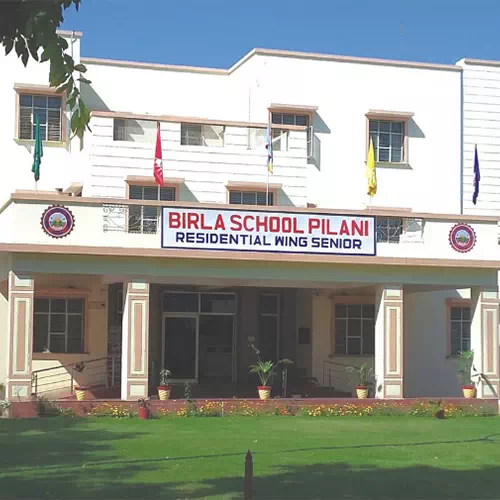
Decades of academic consistency back the reputation of Birla School Pilani, atraditional residential institution in Rajasthan. The curriculum prioritizes core science and mathematical concepts,reinforced through compulsory evening study hours and structured self-study routines. Outside the classroom,boarders participate in technical clubs, track athletics, gymnastics, and music ensembles.
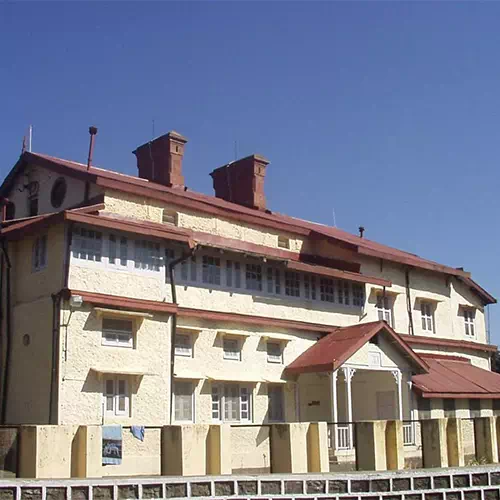 16. Rashtriya Military School, Chail
Military discipline shapes daily life for cadets at Rashtriya Military School, Chail.Operating directly under the Ministry of Defence, this historical Himachal Pradesh campus prepares young men fornational leadership through rigorous physical training, obstacle courses, and high-standard CBSE academics.
Gaining entry requires clearing the competitive National Entrance Examination, followedby a detailed interview and medical evaluation before cadet induction. Once enrolled, boarders follow a tight dailyroutine centered on physical fitness, academic duty, and character development. The high-altitude campus buildsimmense physical endurance, while the residential house system instills unbreakable bonds of brotherhood and serviceto the nation.
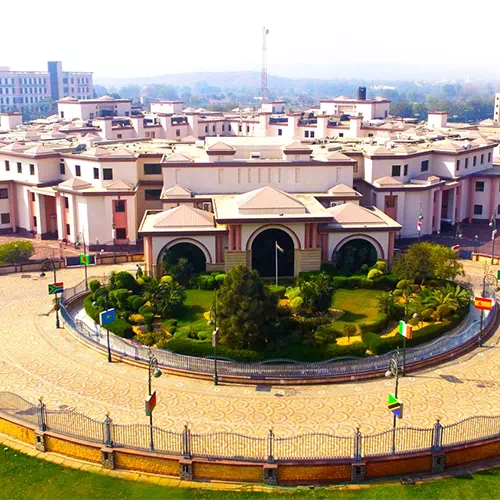 17. GD Goenka International School, Gurgaon
Air-conditioned living quarters and professional catering serve students at GD Goenka’scampus near the National Capital Region. The school uses digital teaching tools across all grade levels whileoffering varied athletic facilities, including indoor swimming pools and shooting ranges. The school’s proximity tothe international airport makes it a convenient option for families seeking a CBSE residential education close tomajor transport hubs.
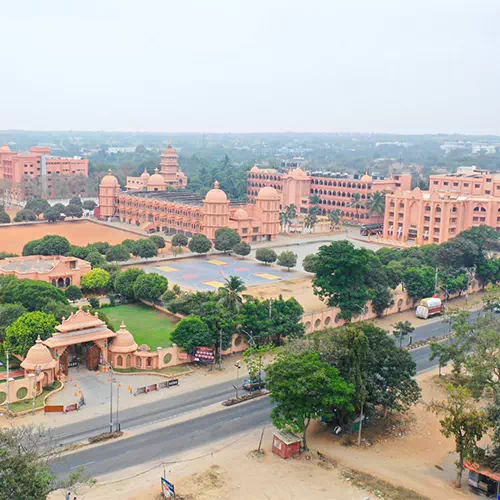 18. Shree Swaminarayan Gurukul International School, Hyderabad
Traditional values align with standard CBSE coursework at this residential campus onthe outskirts of Hyderabad. Students follow a steady routine of early morning reflection, academic classes, physicalfitness, and outdoor games. The environment promotes intellectual concentration and character building away fromcity distractions.
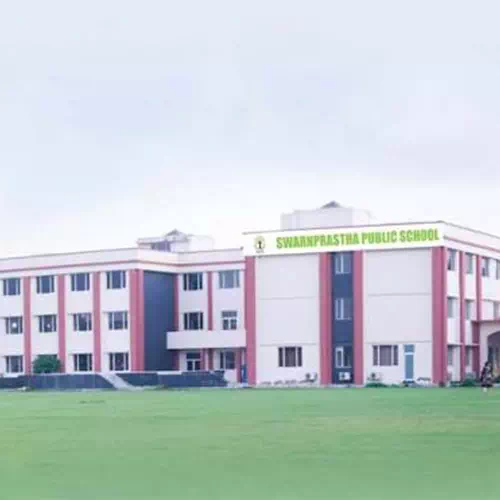 19. Swarnprastha Public School, Sonepat
Spacious grounds and supportive hostel staff welcome boarders at Swarnprastha Public School in Haryana. The campus layout allows easy movement between living areas, academic blocks, indoor sportscomplexes, and creative arts studios. Resident teachers oversee evening study hours, providing academic help insmall group settings.
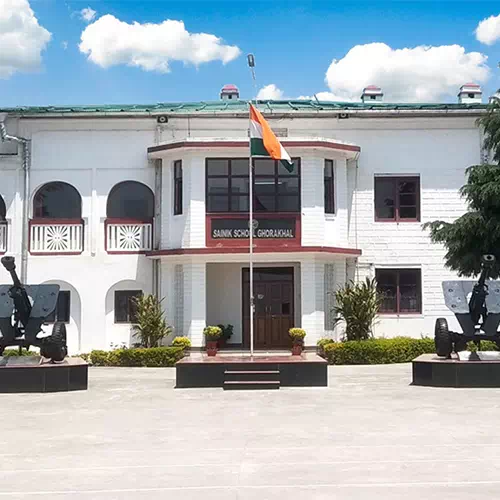 20. Sainik School, Ghorakhal
Students at Sainik School Ghorakhal begin their day much earlier than in mostresidential campuses. Located near Nainital in Uttarakhand, this renowned military-style school prepares boys andgirls for entry into the National Defence Academy (NDA) and other leadership careers.
The daily schedule demands early morning athletic conditioning, rigorous classroomwork, and afternoon parade drills. The residential houses operate on a military hierarchy where cadet captains leadtheir peers, fostering exceptional physical fitness, academic focus, and national pride.
| School Name | Location | Gender Type | Campus Size | Key Focus / Specialization |
| Doon International School | Dehradun, UK | Co-Educational | 10 Acres | Integrated Evening Prep & Entrance Coaching |
| Doon International Riverside | Dehradun, UK | Co-Educational | 30+ Acres | Modern Eco-Campus, Academics & Pastoral Care |
| DPS RK Puram | New Delhi, DL | Co-Educational | 12 Acres | High Academic Competition & Entrance Results |
| Welham Boys’ School | Dehradun, UK | Boys Only | 30 Acres | Pastoral Care, Character & Athletics |
| The Lawrence School | Sanawar, HP | Co-Educational | 139 Acres | Mountain Fitness, NCC & Discipline |
| Mayo College | Ajmer, RJ | Boys Only | 267 Acres | Heritage, Leadership & Equestrian Sports |
| The Scindia School | Gwalior, MP | Boys Only | 160 Acres | Historic Campus, Holistic Arts & Academics |
| JAIN International | Bengaluru, KA | Co-Educational | 350 Acres | Sports Infrastructure & Modern Facilities |
| Birla Public School | Pilani, RJ | Boys Only | 100 Acres | Technical Academics & Science Focus |
| Chinmaya International | Coimbatore, TN | Co-Educational | 78 Acres | Value-Based Education & Holistic Care |
| Sehwag International | Jhajjar, HR | Co-Educational | 23 Acres | Sports Academies (Cricket focus) & CBSE |
| SelaQui International | Dehradun, UK | Co-Educational | 52 Acres | Experiential Learning & University Guidance |
| The TonsBridge School | Dehradun, UK | Co-Educational | 18 Acres | Low Teacher Ratio & Modern Dorms |
| Vandya International | Guwahati, AS | Co-Educational | 20 Acres | Modern Infrastructure in NE India |
| Birla School | Pilani, RJ | Boys Only | 40 Acres | Traditional Boarding & Board Consistency |
| RMS Chail | Chail, HP | Boys Only | 180 Acres | Defence Preparation & High Discipline |
| GD Goenka International | Gurgaon, HR | Co-Educational | 60 Acres | Modern Amenities & NCR Accessibility |
| Gurukul International | Hyderabad, TS | Co-Educational | 35 Acres | Value-Based Discipline & Academics |
| Swarnprastha Public | Sonepat, HR | Co-Educational | 20 Acres | Home-Like Pastoral Care & Sports |
| Sainik School Ghorakhal | Nainital, UK | Co-Educational | 477 Acres | NDA Entrance Prep & Military Training |
Selecting a residential campus is a multi-stage process that requires systematicevaluation. When looking through the best CBSE boarding schools in India, use this three-step framework to narrow down your choices effectively:
Sit down and define what your child needs most at their current stage of growth:
Location plays a critical role in how well a child adjusts to boarding life. Mountaincampuses in Uttarakhand and Himachal Pradesh offer pollution-free air and steep terrains that naturally buildstamina. On the other hand, urban-adjacent campuses near cities like Gurgaon or Bengaluru provide air-conditionedliving spaces and quick access to major airports for long-distance travel.
Never finalize admission based solely on website photographs or brochures. Visit theshort-listed campuses while school is in session and conduct these practical checks:
There is no single best boarding school in India for every child. The ideal residential campus is rarely the one with the biggest grounds or the longest list of luxury amenities. It is the environment where your child feels supported, challenged, safe, and understood.
Institutions like Doon International School and Doon International School Riverside illustrate how a balanced residential schedule (combining clear academic expectations, physical training, andresident faculty mentorship) helps students build independence and achieve long-term university success. Byevaluating pastoral care standards, academic study protocols, and campus safety through a structured lens, you canchoose a residential school that gives your child both the discipline to excel today and the confidence to lead tomorrow.
Most educational psychologists and experienced housemasters recommend enrollingchildren between ages 10 and 12 (Grades 5 or 6). At this developmental stage, children have acquired basic self-carehabits, adapt quickly to group routines, and build strong peer friendships without experiencing severe separationanxiety.
Leading residential schools integrate coaching for national competitive tests like JEE,NEET, CUET, and NDA directly into the Class 11 and 12 academic schedules. Resident subject teachers lead eveningpreparation sessions, conduct periodic mock exams, and provide targeted review materials, eliminating the need forprivate external coaching.
Both models offer distinct advantages depending on your child’s personality. Co-edresidential campuses mirror real-world social environments, helping students develop natural communication skillsand mutual respect across genders. Single-sex schools often streamline their daily routines around gender-specificathletic, social, and pastoral care programs, which can foster deep camaraderie and focused academic concentration.
Established residential campuses operate an on-site medical infirmary staffed 24/7 byresident nurses and visiting pediatricians. They maintain an ambulance on campus at all times and have formaltie-ups with nearby multi-specialty hospitals for specialized emergency care. Parents are notified immediately inthe event of any major health concern or injury.
Hostels employ structured induction protocols during the first month of term. Newboarders are paired with experienced senior buddies who guide them through the daily routine. Housemasters andmatrons organize evening group icebreakers, weekend sports tournaments, and creative club activities to keep newstudents actively engaged while they settle into their new routine.